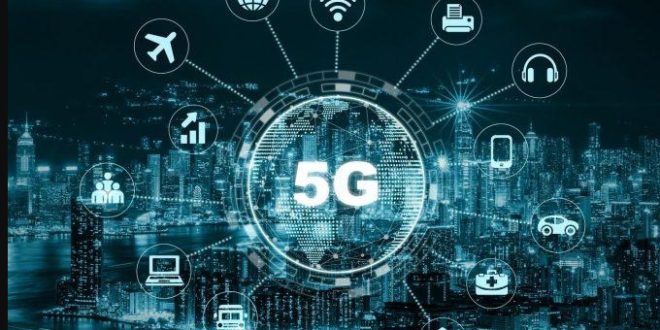
It is a major shift in how people, businesses, devices, vehicles, hospitals, factories, and smart cities connect with each other in real time.
For years, mobile networks helped us browse websites, stream videos, use social media, and communicate online. But 5G technology goes much further. It is designed to support faster speed, lower delay, more connected devices, and more reliable digital experiences.
From smart homes to autonomous cars, from remote healthcare to industrial automation, 5G technology is becoming one of the most important foundations of the modern digital world.
What Is 5G Technology?
5G technology is the fifth generation of wireless mobile network technology. It comes after 1G, 2G, 3G, and 4G, but it is not only about speed. 5G is designed to connect people, machines, sensors, vehicles, and digital systems more efficiently.
In simple words, 5G technology allows data to move faster and with less delay between devices and networks. This means smoother video calls, faster downloads, better gaming, improved cloud services, and stronger support for smart devices.
But the bigger value of 5G is not just personal phone use. The real power of 5G technology appears when it supports industries like healthcare, transportation, manufacturing, education, finance, entertainment, agriculture, and smart city development.
Why 5G Technology Matters
5G technology matters because the world is becoming more connected every day. People now use more devices, businesses depend on cloud platforms, and industries need real-time data to make faster decisions.
Older networks were mainly built for human communication. 5G technology is built for both humans and machines. It can support smartphones, smart cameras, sensors, robots, vehicles, drones, medical devices, and connected machines at the same time.
This is important because the future of technology depends on strong digital infrastructure. Artificial intelligence, blockchain, cloud computing, smart devices, and automation all need fast and reliable connectivity. If you want to understand another major technology shaping the future, you can read our guide on AI and machine intelligence.
How 5G Technology Works
5G technology works by using advanced wireless network systems to send and receive data more efficiently. It uses radio frequencies, network towers, small cells, antennas, and cloud-based infrastructure to improve mobile communication.
One of the key parts of 5G is low latency. Latency means the delay between sending a command and receiving a response. In normal internet use, a small delay may not matter much. But for autonomous cars, remote surgery, industrial robots, or real-time gaming, even a small delay can create problems.
5G technology also uses higher network capacity. This means more devices can connect in the same area without slowing everything down. In crowded places like stadiums, airports, shopping centers, and city centers, this can improve user experience.
Main Benefits of 5G Technology
5G technology offers several important benefits for users, businesses, and industries.
- Faster download and upload speeds
- Lower latency for real-time communication
- Better support for smart devices
- Improved video streaming and gaming
- Stronger connectivity in crowded areas
- More reliable support for business applications
- Better foundation for smart cities and automation
These benefits make 5G technology more than a mobile upgrade. It is a platform for digital transformation.
5G Technology and Smart Cities
Smart cities depend on connected systems. Traffic lights, security cameras, public transport, waste management, electricity grids, water systems, and emergency services can all become smarter when they use real-time data.
5G technology can help smart cities operate more efficiently by connecting thousands or even millions of devices. For example, traffic sensors can send live updates to city systems. Smart streetlights can adjust brightness based on activity. Emergency vehicles can receive faster route information.
This kind of connectivity can improve safety, reduce waste, save energy, and make cities easier to manage.
5G Technology and Autonomous Vehicles
Autonomous vehicles need fast and reliable communication. They must read road conditions, detect obstacles, communicate with other vehicles, and respond quickly to changes around them.
5G technology can support vehicle-to-vehicle and vehicle-to-infrastructure communication. This means cars can exchange data with traffic lights, road sensors, and nearby vehicles.
For self-driving cars, low latency is extremely important. A delayed signal can affect safety. With stronger 5G networks, autonomous vehicles may become more practical and reliable in the future. You can also explore our article on key technology driving autonomous cars for more details.
5G Technology in Healthcare
Healthcare is one of the most important areas where 5G technology can make a difference. Hospitals, clinics, doctors, and patients can benefit from faster and more reliable digital communication.
With 5G, remote consultations can become smoother. Doctors may be able to monitor patients through connected health devices. Hospitals can use smart equipment that shares data quickly between departments.
In advanced cases, 5G technology may support remote procedures, robotic assistance, emergency response systems, and real-time medical data transfer. This can be especially useful in areas where access to specialist doctors is limited.
5G Technology in Business
Businesses can use 5G technology to improve communication, operations, customer service, and productivity.
For example, retail companies can use connected sensors to track inventory. Logistics companies can monitor vehicles and shipments in real time. Offices can use faster cloud applications and better video conferencing. Factories can connect machines and production systems more efficiently.
5G technology can also support new digital business models. Companies that use automation, artificial intelligence, cloud tools, and smart devices may gain a competitive advantage.
For more technology and digital business updates, visit TechDetails.
5G Technology and the Internet of Things
The Internet of Things, also known as IoT, refers to everyday devices connected to the internet. This can include smart watches, home cameras, factory sensors, delivery trackers, farm equipment, and medical monitors.
5G technology can support IoT because it allows many devices to connect at once. This is important because the number of connected devices is growing quickly.
In homes, IoT can improve comfort and security. In factories, it can improve production and maintenance. In agriculture, it can help monitor soil, water, weather, and crops. In logistics, it can track goods from one place to another.
5G Technology and Blockchain
5G technology and blockchain can work together in future digital systems. 5G provides fast connectivity, while blockchain can help with transparency, data verification, and secure digital records.
For example, supply chains can use connected sensors to track products in real time. Blockchain can help store trusted records of where those products came from, when they moved, and who handled them.
This combination may become useful in logistics, food safety, healthcare, finance, and digital identity systems. To understand this topic better, read our guide on blockchain’s role in supply chains.
5G Technology in Education
Education is also changing because of better connectivity. 5G technology can support online learning, virtual classrooms, digital labs, cloud-based tools, and interactive lessons.
Students can access learning materials faster. Teachers can use video, simulations, and real-time collaboration tools more effectively. Schools and universities can use digital platforms to connect students from different locations.
In the future, 5G technology may also support virtual reality and augmented reality learning. This can help students explore science, history, engineering, medicine, and other subjects in a more practical way.
5G Technology and Entertainment
Entertainment is one of the easiest areas where people can notice the benefits of 5G technology.
Faster networks can improve video streaming, online gaming, live events, virtual concerts, and augmented reality experiences. Users may enjoy better quality content with fewer delays and smoother performance.
For creators and media companies, 5G technology can also make it easier to upload large files, stream live content, and reach audiences with high-quality digital experiences.
5G Technology and Manufacturing
Manufacturing companies can use 5G technology to build smarter factories. Machines, robots, sensors, and software systems can communicate in real time.
This can help companies monitor production, reduce downtime, improve safety, and detect problems before they become expensive. Predictive maintenance is one example. Sensors can detect machine issues early and alert teams before a breakdown happens.
5G technology can also support automation and robotics. When machines can communicate quickly and reliably, factories can become more efficient and flexible.
5G Technology and Data Storage
As 5G technology expands, the amount of data created by people, businesses, and devices will continue to grow. Faster networks mean more video, more sensor data, more cloud activity, and more digital services.
This creates a need for better data storage, faster processing, and stronger security. Companies must think about where data is stored, how it is protected, and how quickly it can be accessed.
To explore another future-focused data topic, you can read our article on light-based data storage.
Challenges of 5G Technology
Although 5G technology has many benefits, it also comes with challenges.
One challenge is infrastructure cost. Building 5G networks requires towers, small cells, antennas, fiber connections, software systems, and ongoing maintenance.
Another challenge is coverage. Some cities may get 5G faster than rural areas. This can create a digital gap between regions.
Device compatibility is also important. Users need 5G-supported phones, routers, or devices to experience the benefits.
Security is another concern. More connected devices can create more entry points for cyber threats. Businesses and governments must take network security seriously as 5G technology expands.
Is 5G Technology Safe?
Many people have questions about 5G technology and safety. In general, mobile networks are regulated and must follow safety standards set by relevant authorities.
Most concerns around 5G come from misunderstanding how wireless signals work. Like earlier mobile networks, 5G uses radiofrequency signals. These signals are different from harmful ionizing radiation such as X-rays.
Still, public communication is important. Governments, network providers, and technology companies should explain 5G technology clearly so people can understand its benefits, limits, and safety guidelines.
How 5G Technology Affects Everyday Life
For everyday users, 5G technology can make digital life smoother. People may notice faster browsing, better video calls, quicker downloads, stronger gaming performance, and more reliable mobile internet.
Smart homes may also improve. Devices like cameras, speakers, appliances, thermostats, and security systems can connect more efficiently.
For remote workers, 5G technology can support cloud tools, video meetings, file sharing, and mobile productivity. This is especially useful for people who work outside traditional offices.
Future of 5G Technology
The future of 5G technology will likely be connected with artificial intelligence, cloud computing, automation, smart cities, autonomous vehicles, and industrial IoT.
As networks improve, more industries will find practical use cases. Hospitals may use more connected medical tools. Factories may become more automated. Cities may become smarter. Vehicles may communicate more efficiently. Entertainment may become more immersive.
However, the success of 5G technology depends on infrastructure, affordability, security, and real-world adoption. Technology alone is not enough. It must be useful, reliable, and accessible.
Final Thoughts on 5G Technology
5G technology is one of the most important digital infrastructure developments of the modern era. It is not only about faster smartphones. It is about building a connected foundation for future industries, services, and experiences.
From healthcare and education to business, smart cities, autonomous vehicles, and entertainment, 5G technology can support major changes in how the world communicates and operates.
At the same time, the growth of 5G must be handled carefully. Infrastructure, privacy, cybersecurity, affordability, and equal access all matter.
In the end, 5G technology is not just about speed. It is about connection, innovation, and the next stage of digital transformation.
FAQ: 5G Technology
What is 5G technology?
5G technology is the fifth generation of wireless mobile network technology. It is designed to provide faster speed, lower latency, higher capacity, and better support for connected devices.
How is 5G technology different from 4G?
5G technology is generally faster than 4G and can support lower latency, more connected devices, and stronger performance for advanced applications like smart cities, IoT, and automation.
Why is 5G technology important for businesses?
5G technology can help businesses improve communication, automation, logistics, cloud access, customer service, and real-time data use.
Can 5G technology support smart cities?
Yes, 5G technology can support smart cities by connecting traffic systems, public services, sensors, emergency systems, and digital infrastructure in real time.
Is 5G technology only for smartphones?
No, 5G technology is not only for smartphones. It can support smart devices, vehicles, healthcare systems, factories, sensors, and many business applications.


